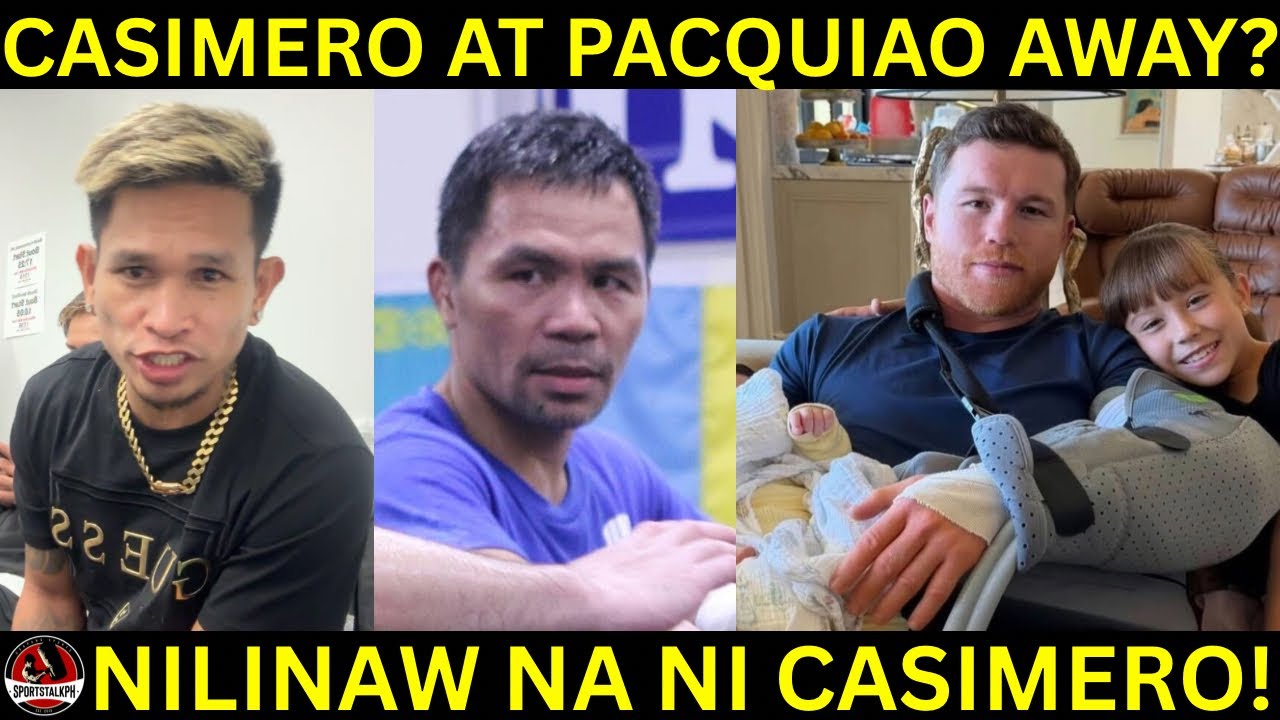
The world of professional boxing started 2026 with a series of jolts that have reshaped narratives both in the Philippines and on the global stage. In a sport defined as much by its drama outside the ring as the action inside it, two major stories have dominated the headlines this week. First, the flamboyant and often controversial Filipino champion John Riel Casimero has finally addressed the elephant in the room regarding his alleged animosity toward boxing legend Manny Pacquiao. Second, the international boxing community is reeling from the news that Mexican superstar Canelo Alvarez has declined a mandate to fight for a vacant world title, citing medical reasons that have left fans and pundits divided.
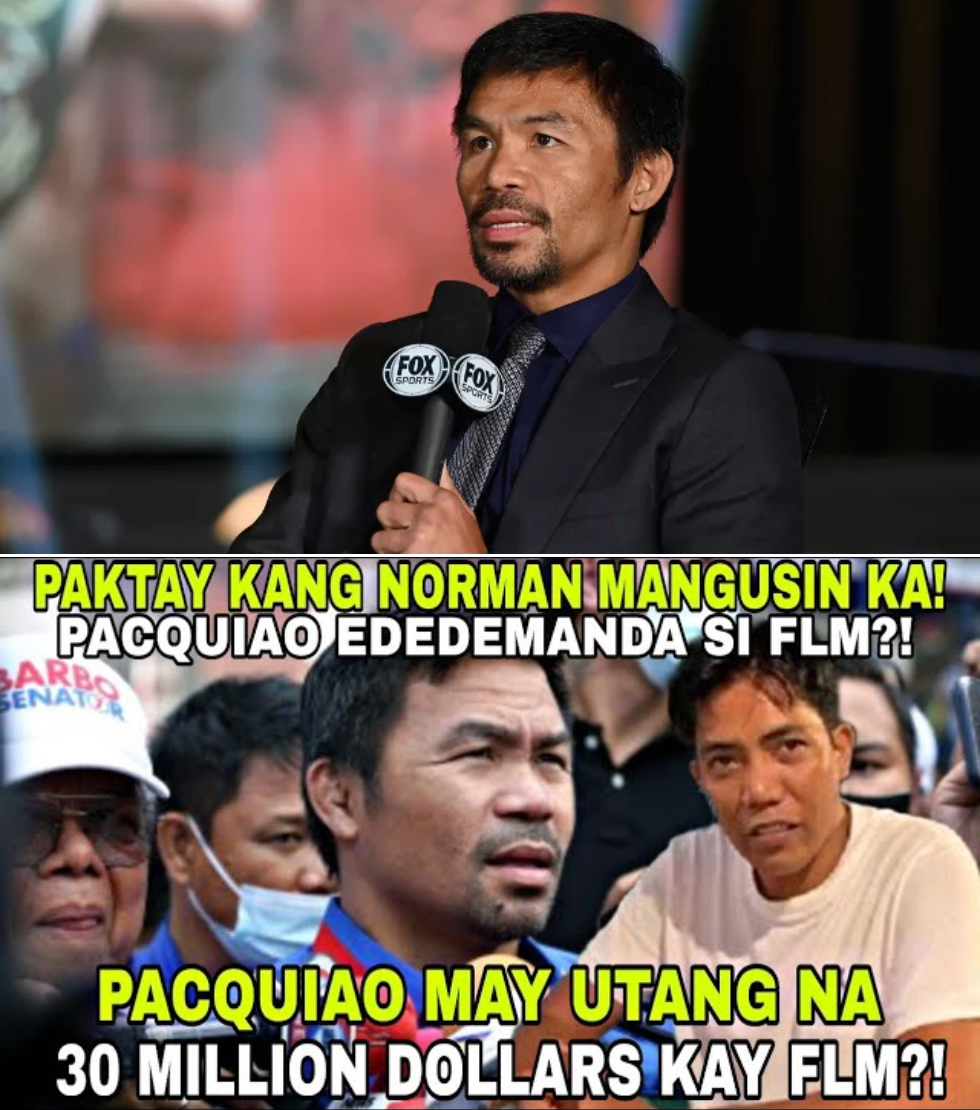
For years, the relationship between John Riel Casimero and Manny Pacquiao has been the subject of intense speculation and tabloid gossip. Casimero, known as “Angas ng Pinas” (The Astig/Bad Boy of the Philippines), built a reputation on his brash demeanor, trash-talking prowess, and undeniable knockout power. In contrast, Pacquiao has always been the humble, religious statesman of the sport. The friction seemed to stem from business disagreements involving MP Promotions and its president, Sean Gibbons, which led many to believe that Casimero harbored a deep-seated grudge against the only eight-division world champion. The silence between the two camps often amplified these rumors, painting a picture of a fractured brotherhood.
However, in a recent candid interview that has since gone viral, Casimero completely dismantled this narrative. Stripping away his usual bravado, the three-division world champion spoke with a rare vulnerability about what Pacquiao truly means to him. He clarified categorically that there is no bad blood between them—at least, not from his side. He explained that any perceived conflict was likely conflated with management issues, specifically mentioning that his issues with handlers are entirely separate from his reverence for “Boss Manny.” He emphasized that the business side of boxing should never be confused with personal respect, a distinction that often gets lost in the heat of promotional wars.
Casimero went a step further, describing Pacquiao not just as a mentor but as the primary catalyst for his entire career. He revealed that his journey into the brutal sport of boxing was sparked solely by watching Pacquiao fight. In his eyes, Pacquiao is more than just a fellow boxer; he is an “idol” in the most sacred sense of the word. Casimero used a powerful analogy, comparing his idol to a “saint” or a deity figure in his life. He posited that when you hold someone in such high spiritual regard, the very idea of fighting them or disrespecting them is an impossibility. “You don’t fight your idol,” Casimero insisted, effectively putting to rest the rumors that he had ever intended to challenge or dishonor the legend. This admission humanizes Casimero in a way few interviews have before, showing that beneath the flashy outfits and loud callouts lies a student who is eternally grateful to the master who paved the way.
While the Philippine boxing scene digests this heartwarming reconciliation of sorts, the international scene is grappling with a vacuum of power in the super middleweight division. The chaos began with the sudden and shock retirement of pound-for-pound king Terence Crawford. Crawford’s departure from the sport left several major world titles vacant, creating a scramble among top contenders to claim the throne. The International Boxing Federation (IBF) moved quickly to fill the void, ordering a bout for their vacant super middleweight strap. The matchup they proposed was a blockbuster: Canelo Alvarez, the face of modern boxing, against the rising Cuban sensation Osleys Iglesias.
On paper, it was the fight the world wanted to see. Canelo, looking to regain undisputed status or at least collect another belt, versus a dangerous, hungry challenger in Iglesias. However, the excitement was short-lived. In a move that has surprised analysts, Canelo Alvarez officially communicated to the IBF that he would not be accepting the challenge. The reason provided by his camp was a lingering elbow injury that required surgery. According to his team, the recovery timeline does not align with the IBF’s schedule for the bout. While injuries are a legitimate part of any athlete’s career, the timing has drawn skepticism from a vocal section of the boxing community.
Critics are questioning whether the injury is the sole reason for the withdrawal or if there is a strategic element at play. Osleys Iglesias is a high-risk, low-reward opponent—a technically gifted fighter with power who does not yet have the massive pay-per-view draw of other potential rivals. By backing out, Canelo avoids a potential banana peel that could derail the twilight years of his lucrative career. However, his supporters argue that at this stage, Canelo has nothing left to prove and preserving his health for mega-fights is the only logical move. Regardless of the motivation, the decision has officially removed Canelo from the immediate title picture in the IBF, leaving the belt up for grabs.
This withdrawal has opened the door for another Mexican warrior to step into the spotlight. With Canelo out of the equation, reports indicate that Jaime Munguia is the likely candidate to step in and fight for the vacant title. Munguia, known for his relentless pressure and iron chin, has been waiting for a legitimate chance to hold a major world title in this weight class. If the fight is made, it represents a passing of the torch or perhaps a stealing of the spotlight. Munguia has long lived in Canelo’s shadow, and capturing the belt that Canelo turned down could be the defining moment of his career.
The landscape of boxing in 2026 is shifting rapidly. The old guards are transitioning, with Pacquiao settling into the role of the revered elder statesman and Crawford leaving behind a legacy of excellence. Meanwhile, active legends like Canelo are becoming more selective, carefully curating their final chapters. In this environment, fighters like Casimero and Munguia are fighting not just for belts, but for their place in history. Casimero’s attempt to reconnect with his roots by honoring Pacquiao shows a maturity that may serve him well as he navigates the politics of the sport. He understands that to move forward, he must respect where he came from.
As the IBF moves to finalize the contenders for the vacated title, the pressure is on the next generation to deliver. The boxing public, denied the Crawford-Canelo era and now denied a Canelo-Iglesias showdown, is hungry for a new king. Whether it is Munguia, Iglesias, or another dark horse, whoever captures the vacant title will have to earn it in the shadow of the giants who left it behind. For Casimero, the battle is different; his fight is to maintain his relevance and honor the legacy of the man he calls his idol. In a sport built on conflict, his message of respect is a refreshing change of pace, proving that even the “Bad Boy” of boxing knows when to bow his head to the master.