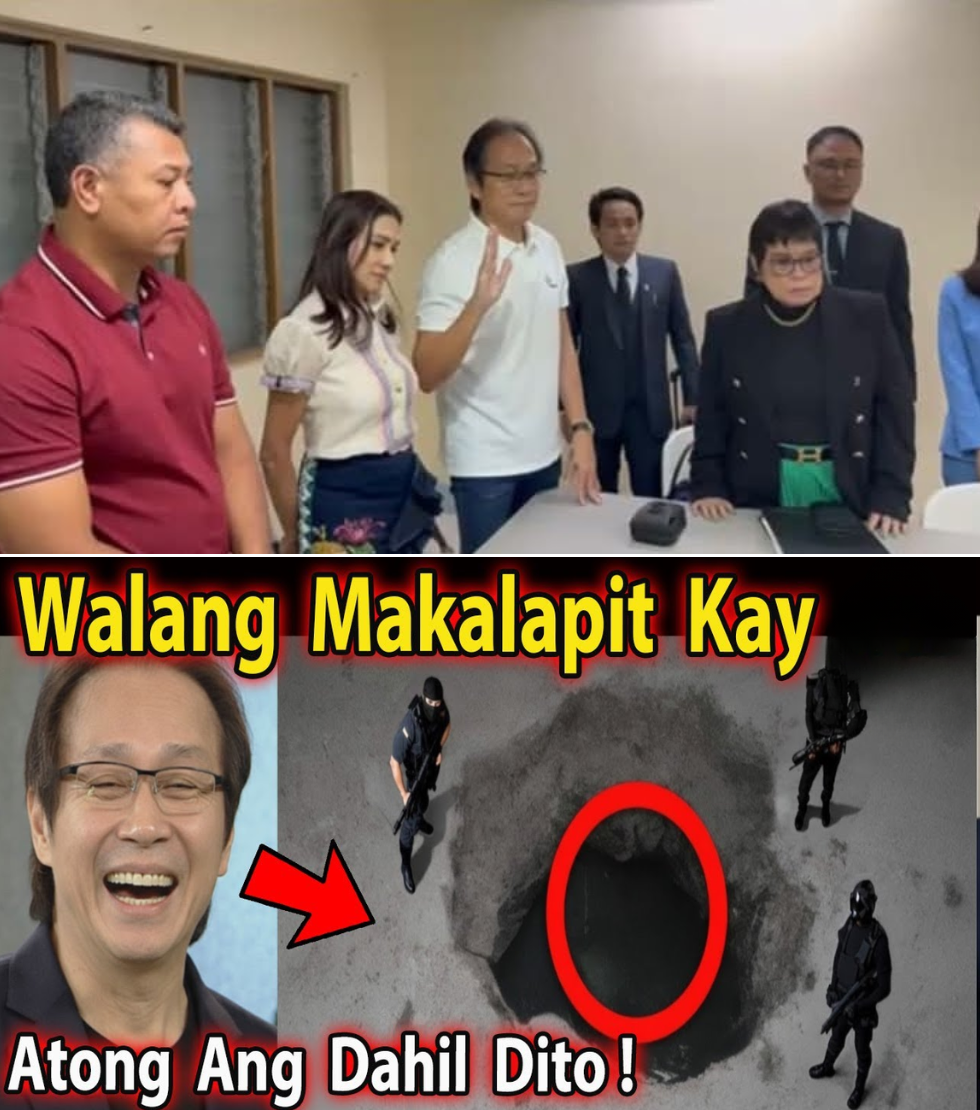
🗞 Madriaga Testimony Eyed to Augment VP Impeachment Raps | 24 Oras Weekend Update
Published: January 5, 2026
Introduction
New developments emerged in the continuing political saga involving Vice President Sara Duterte, as lawmakers and civil society groups consider including the testimony of Ramil Madriaga in potential fresh impeachment complaints. Madriaga’s statements—presented as that of a former civilian intelligence agent linked to both Sara and her father, former President Rodrigo Duterte—are being reviewed for possible grounds to strengthen impeachment cases that could be refiled later this year.
As the political calendar unfolds and procedural restrictions from previous complaints expire, the conversation now centers on whether this testimony could help re‑energize efforts to hold the nation’s second highest official to account. This article breaks down the context, main players, legal timing, and broader issues at stake.
Table of Contents
-
Who Is Ramil Madriaga?
What Is Madriaga’s Testimony About?
Historical Background: Previous Impeachment Complaints
Constitutional Timing and Legal Constraints
How Lawmakers Are Planning Next Steps
What Rep. Antonio Tinio Has Said
Main Allegations Under Consideration
Vice President Duterte’s Camp Responds
Potential Political Impact
Broader Public and Legal Implications
1. Who Is Ramil Madriaga?
Ramil Madriaga is a figure claiming decades of experience in intelligence work connected to both Sara Duterte and her father. According to reporting, he presented himself as a former civilian intelligence agent tied to escorts and logistics in political operations. His background has been cited by supporters as one reason his statements merit consideration, though critics question his credibility.
Madriaga previously submitted a notarized affidavit in December 2025 to the Ombudsman outlining his narrative, which has since been circulated publicly and sparked legal and political interest.
2. What Is Madriaga’s Testimony About?
The testimony at the center of renewed impeachment talk involves allegations that drug dealers and Philippine Offshore Gaming Operators (POGOs) contributed to funding Vice President Duterte’s 2022 campaign. Additionally, there are claims regarding the alleged use or direction of “confidential and intelligence funds” during her term in office.
These assertions suggest a broader narrative tying campaign financing with alleged misuse of government funds, but defenders of the Vice President argue that the testimony lacks corroborative evidence and should be carefully scrutinized.
3. Historical Background: Previous Impeachment Complaints
In 2025, impeachment articles backed by 215 members of the House of Representatives were endorsed against the Vice President, but those efforts were halted. The Supreme Court found the complaints unconstitutional due to a constitutional prohibition against filers submitting multiple complaints against the same official within a year. ﹘This delay effectively paused any impeachment process.
The upcoming February 6 deadline marks the end of that one‑year prohibition period, opening the door for complaints to be reconsidered or refiled.
4. Constitutional Timing and Legal Constraints
Under the Constitution, successive impeachment complaints against the same official cannot be initiated more than once in a year. That prohibition was the basis for the Supreme Court’s previous ruling that prevented the previous set of impeachment articles from moving forward. Lawmakers and legal strategists are now awaiting the expiration of that period before discussing a fresh filing.
This legal timetable is crucial: it dictates when political actors can lawfully pursue impeachment action again without contestation over procedural technicalities.
5. How Lawmakers Are Planning Next Steps
According to representatives quoted on 24 Oras Weekend, lawmakers and stakeholders are poised to discuss whether to refile a complaint or pursue an entirely new impeachment complaint once the prohibition period lapses. These discussions are reportedly underway within certain factions of the House of Representatives.
This planning time allows political blocs to gauge support, review evidence, and shape strategy anchored around Madriaga’s testimony and previous allegations regarding confidential funds.
6. What Rep. Antonio Tinio Has Said
ACT Teachers Party‑List Representative Antonio Tinio indicated that groups preparing new complaints are considering whether to incorporate Madriaga’s testimony into their legal strategy. Tinio stressed that the principal focus would remain on alleged misuse of confidential and intelligence funds, even as supplemental testimony could influence how a new complaint is framed.
He also noted that the decision on whether to refile will likely be influenced by the Supreme Court’s handling of a pending appeal related to the validity of past complaints.
7. Main Allegations Under Consideration
The primary grounds for any new impeachment complaint remain tied to alleged misuse of confidential and intelligence funds during Vice President Duterte’s tenure. Those pushing for renewed action see Madriaga’s statements as potentially relevant in expanding or clarifying alleged financial irregularities, especially as they relate to campaign financing or distribution of funds.
However, adrenaline around the testimony varied: critics emphasize that allegations, particularly those involving campaign funding, remain unverified and controversial.
8. Vice President Duterte’s Camp Responds
The Vice President has not been silent on these allegations. Previous public statements firmly deny any personal link with Madriaga and dismiss the accusations as lacking proof or documentation. Duterte’s camp has characterized some of the claims as attempts to undermine her potential political ambitions, including a prospective presidential run. (GMA Network)
These denials underscore the broader clash over credibility and political narrative between opponents and Duterte’s defenders.
9. Potential Political Impact
If lawmakers move forward with a new or refilled impeachment complaint, the political stakes could be high. Vice President Duterte is a prominent political figure with national support, and impeachment proceedings could reshape political alignments, particularly heading into future elections or legislative priorities.
Moreover, how the Senate — which would serve as an impeachment court — receives such a complaint could test current political coalitions and legislative dynamics.
10. Broader Public and Legal Implications
Beyond immediate political maneuvering, the consideration of Madriaga’s testimony raises questions about standards of evidence, the intersection of media narratives and legal process, and the broader expectations of accountability in public office.
While impeachment is a constitutional check on public officials, its use is often influenced by political realities as much as legal reasoning. How Filipinos view these processes — whether as essential accountability or as partisan tactic — will shape public discourse in the months ahead.
Conclusion
Madriaga’s testimony being eyed as a potential addition to future impeachment complaints against Vice President Sara Duterte marks a significant moment in Philippine politics. As the February deadline approaches, lawmakers, political groups, and observers are positioning themselves for what could be a pivotal decision.
Whether this testimony ultimately strengthens an impeachment complaint, or remains part of broader political debate, the situation highlights the ongoing tensions between legal process, political strategy, and public accountability in a democratic setting.
Related Articles
Understanding Impeachment in the Philippine Constitution
How the Supreme Court Ruled on Previous VP Impeachment Complaints
Vice President Duterte’s Political Trajectory and Public Statements
Confidential Funds, Intelligence Spending, and Accountability Debates in Government