Runway to Ruin: The Heart-Shattering Mystery of the Model Who Vanished into the Shadows of the Golden Triangle
The allure of the fashion industry is a siren song that has called out to countless young dreamers for decades. It is a world painted in gold and glitter, promising fame, travel, and a life of luxury to those lucky enough to be chosen. But beneath the veneer of magazine covers and high-profile runways lies a perilous underbelly, a shadow world where ambition can be weaponized against the innocent. This is the tragic, heart-wrenching story of Vera Kravtsova, a vibrant 26-year-old model whose pursuit of a “big break” led her not to the spotlight, but into a dark void that has left her family broken and the international community demanding answers. Her journey from the quiet streets of Belarus to the chaotic borders of Southeast Asia is a chilling reminder of the dangers lurking behind too-good-to-be-true opportunities.
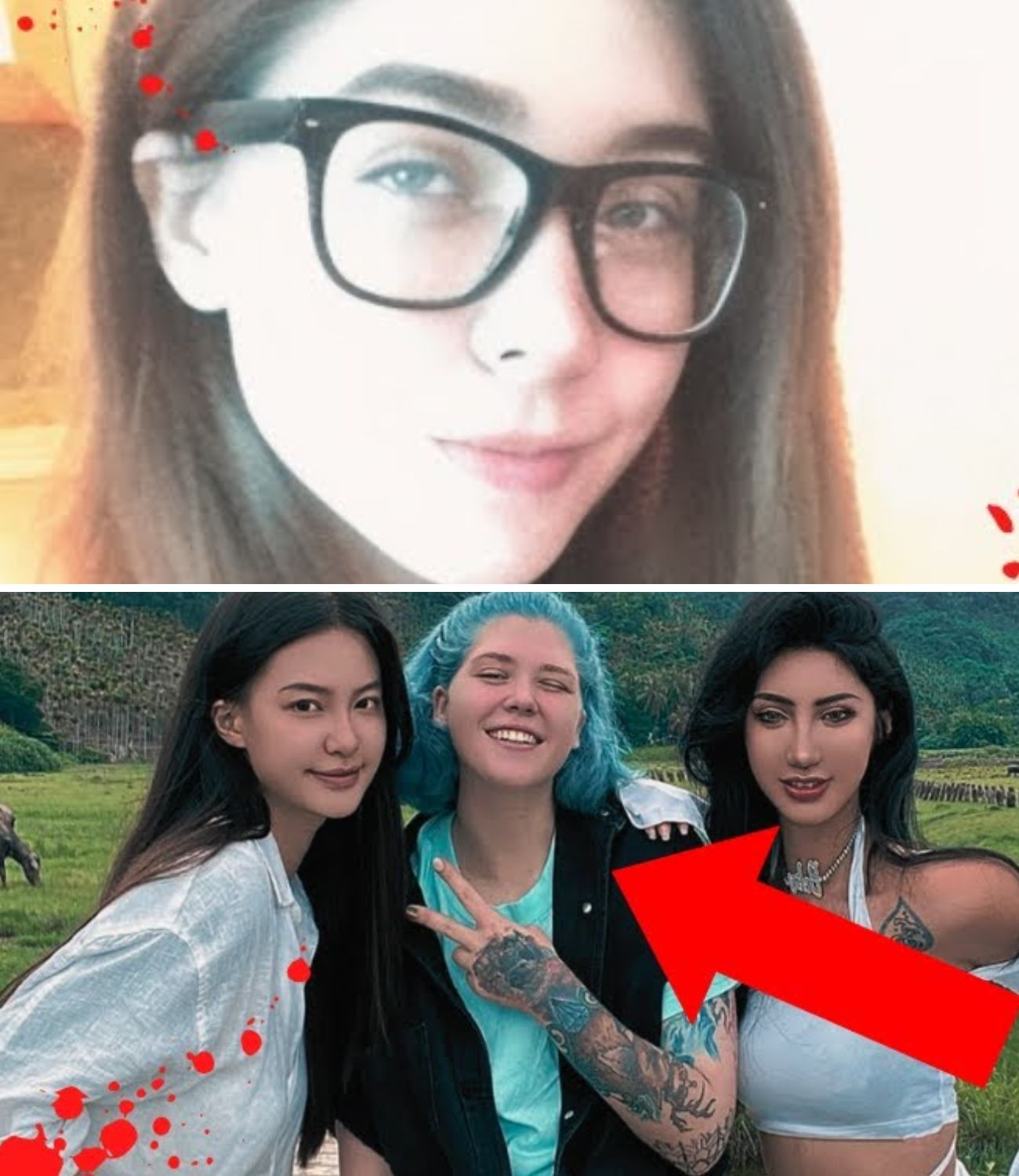
Vera was born on New Year’s Eve in 1998 in Minsk, Belarus, a date that seemed to destine her for a life of celebration and brightness. Friends and family described her as the epitome of a go-getter—intelligent, hardworking, and fiercely ambitious. Coming from a humble background, Vera understood early on that nothing in life would be handed to her. She was a grinder, balancing her artistic passions with the gritty reality of making ends meet. Before she ever struck a pose for a camera, she was a musician, trained in wind instruments and vocals, showcasing a depth of talent that went far beyond her striking looks. But it was the world of modeling that truly captured her heart. After moving to St. Petersburg, Russia, she began to carve out a career as a freelance model, her passport filling with stamps from Vietnam, China, and Indonesia. She was a free spirit, a traveler who believed that the world was hers to explore.
Her social media feed was a curated gallery of this vibrant life—a mix of professional shots where she looked every bit the ethereal beauty, and candid snaps of coffee dates and city streets. To the outside world, she was living the dream. Her mother, her biggest cheerleader, would often comment on her posts, proudly proclaiming her daughter to be the most beautiful woman in China, or wherever Vera happened to be. Yet, behind the filters and the smiles, there was a struggle. Vera was still hunting for that one career-defining moment, the “big break” that would elevate her from a working model to a star. She took gig after gig, tireless in her pursuit, believing that persistence was the key to unlocking the door to success.
That door seemed to swing wide open in September of last year. Vera received an email that would make any aspiring model’s heart skip a beat. It was an offer from a supposed modeling agency, inviting her to Thailand for a test shoot with a luxury brand. This was it—the opportunity she had been manifesting for years. The excitement was palpable. She shared the news with her mother, Mrs. Kravtsova, her joy overflowing as she packed her bags for what she thought was a business trip. On September 12, 2025, she landed in Bangkok, her eyes set on the horizon of her future. Immigration records show her arriving alone, a young woman ready to conquer the world. For the first week, everything seemed normal. She communicated with her mother regularly, sharing snippets of her life in the bustling Thai capital.
Then, the silence came. On October 4, the messages stopped. The calls went straight to voicemail. The digital lifeline that connected Vera to her family was severed, leaving a void filled with creeping dread. For a mother, this silence is a specific kind of torture, a slow-burning panic that consumes every waking thought. The Kravtsova family wasted no time, contacting authorities in Belarus who quickly coordinated with their counterparts in Thailand. They needed to find Vera. But as the investigation unfolded, the story took a turn that no one saw coming. While the family prayed for a simple misunderstanding—a lost phone, a poor signal—a terrifying message arrived that confirmed their worst fears. It was a demand for money.
The message asked for half a million dollars—a ransom. It was a brutal confirmation that Vera had not just gone off the grid; she had been taken. Reports suggest the family desperately tried to negotiate, to plead for her life, but the kidnappers’ response was cold and final: Vera was already gone. The emotional devastation of that moment is impossible to articulate. To be told that your child, who was just sharing photos of her trip days ago, is no longer of this world is a trauma that shatters the soul. However, the family, clinging to a shred of hope and skeptical of the kidnappers’ claims, continued to push for an official investigation. They needed proof. They needed to know where she was.
The Thai police, under pressure to protect the country’s image as a safe tourist destination, launched a thorough probe. On October 21, 2025, they released a statement that added a shocking twist to the narrative. Vera was not in Thailand. Security footage and biometric data revealed that on September 20—just eight days after she arrived in Bangkok—she had boarded a flight to Myanmar. This revelation shifted the spotlight to a terrifying new location. Myanmar, particularly the border regions, has become infamous in recent years for lawlessness and the proliferation of “scam compounds.” The mention of Myanmar sent a chill through the online community, as names like “KK Park” began to surface in the discussions surrounding her case.
The theory that emerged is the stuff of nightmares. Investigators and online sleuths believe that the “luxury brand shoot” was a phantom, a lure designed to traffic Vera into one of these compounds. It is a tactic known as the “pig butchering” scam, but in this case, the victim was the one being harvested. The hypothesis is that upon landing or being transported to the border, Vera was stripped of her freedom, her passport, and her phone. Forced to work in a scam center, she likely became a prisoner in a foreign land. But the story gets even darker.
The family eventually received a document from Myanmar. It was a death certificate. The official cause? A “heart attack.” The date? October 16. But the most crushing detail was that her remains had already been cremated. There was no body to bring home, no chance for an independent autopsy, no way to say a proper goodbye. The swift cremation raised immediate red flags. A healthy 26-year-old suffering a fatal heart attack is rare; for it to happen in a region known for human trafficking, followed by an immediate disposal of the remains, screamed of a cover-up. This is where the most gruesome rumors began to take root.
Whispers began to circulate online, fueled by the opaque nature of her passing. Netizens and amateur investigators pointed to the disturbing possibility that Vera was not just a victim of forced labor, but of something far more sinister: organ trafficking. The phrase “wala ng laman loob”—meaning “no internal organs”—began to trend in discussions about her case. While unverified by official sources due to the cremation, the theory suggests that she may have been targeted for her biological value, a commodity in the dark markets of the underworld. The idea that a vibrant young woman could be reduced to parts is a horror that is difficult to comprehend, yet it is a fear that persists in the silence left by the lack of physical evidence.
The impact of Vera’s tragedy on the modeling and travel community has been profound. It has shattered the illusion of safety that many digital nomads and freelance artists carry with them. The comment sections of articles and videos covering her story are filled with a mix of grief and rage. “She just wanted to help her family,” one user wrote, capturing the collective heartbreak. “How can a dream turn into this? It’s not fair.” Another comment read, “This is why I’m scared to travel alone. You never know who is really behind those emails.” The skepticism towards the “heart attack” explanation is almost universal. “Heart attack at 26? And then cremated immediately? They are hiding something,” a netizen speculated, echoing the sentiments of thousands who feel that justice has been denied.
For Mrs. Kravtsova and the rest of Vera’s family, the nightmare is ongoing. They are left with a document that explains nothing and an urn that contains the ashes of their bright, ambitious girl. The lack of closure is a wound that may never heal. They are fighting against diplomatic red tape and the murky waters of international jurisdiction, trying to find the truth in a place where the truth is often buried deep. The Belarusian government has been involved, but the answers from Myanmar remain sparse and unsatisfactory.
This story serves as a grim warning to anyone chasing a dream across borders. It highlights the sophistication of modern trafficking rings, who no longer just snatch people from streets but lure them with professional emails, contracts, and the promise of a better life. Vera did what any ambitious professional would do; she took a chance. Her tragedy was not her fault; it was the result of a predatory system that views human life as disposable.
As we scroll through our feeds, looking at the glamorous lives of influencers and models, we must remember Vera. We must remember that behind every flight ticket and every photoshoot, there is a person with a family, a history, and a future that deserves to be protected. Her story is not just a true crime tale to be consumed; it is a call to action for greater awareness, stricter protection for travelers, and a demand that international authorities do more to dismantle the networks that turn dreams into ashes.
The world may never know exactly what happened in those final days in Myanmar. The secrets may have been burned away in the cremation chamber. But the memory of Vera Kravtsova—the musician, the daughter, the dreamer—must remain. She is a reminder to look twice at every opportunity, to hold our loved ones close, and to never stop demanding justice for those who can no longer speak for themselves.
If this story touched you, or if you have ever encountered a suspicious job offer abroad, please share your thoughts and experiences in the comments. Awareness is our only weapon against these shadows. Let’s keep Vera’s name alive.