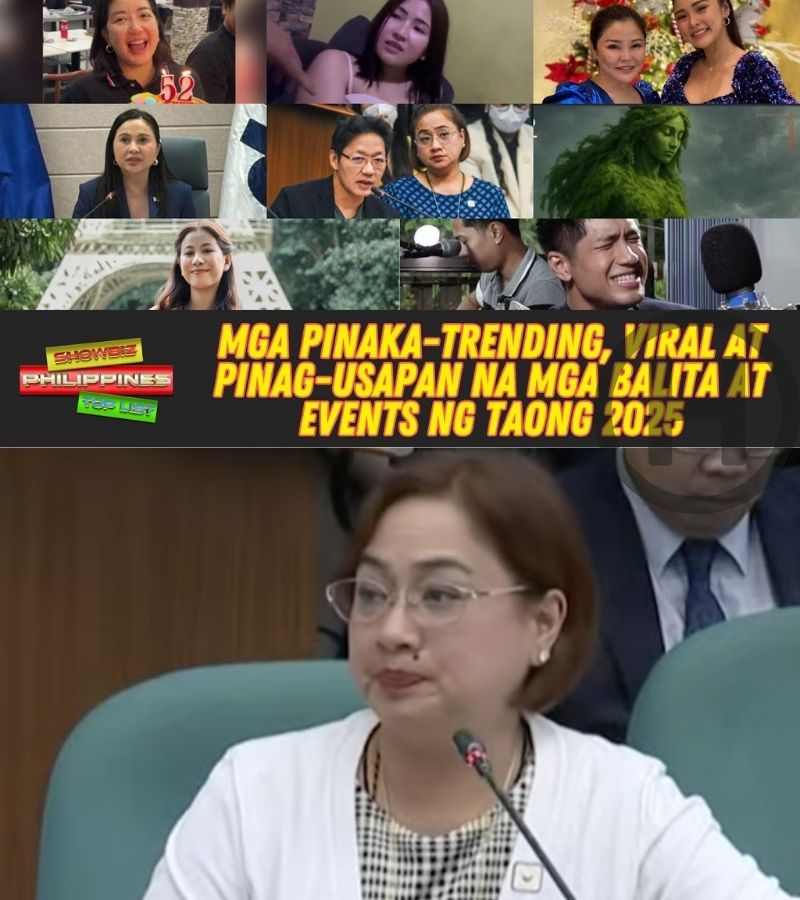
PHILIPPINE VIRAL AND TRENDING MOMENTS OF 2025: WHAT EVERYONE WAS TALKING ABOUT

🔥 PHILIPPINE VIRAL AND TRENDING MOMENTS OF 2025: WHAT EVERYONE WAS TALKING ABOUT 🔴
Published on: January 2, 2026
Introduction
The year 2025 was unforgettable for the Philippines, as a series of viral events, entertainment scandals, social media trends, and political moments captured the nation’s attention. From celebrity news to major natural disasters, Filipinos engaged in online debates, memes, and discussions that defined the year.
This article provides a comprehensive breakdown of the 10 most talked-about moments of 2025, detailing the events, public reactions, and their significance in Philippine pop culture, media, and politics.
Table of Contents
-
Labubu Toy Craze: The Collectible That Conquered the Nation
Chelsea Ylore’s Private Jet Controversy
Netflix’s K‑Pop Demon Hunters Phenomenon
Cebu Earthquake Shakes Visayas
Iglesia ni Cristo Mass Protests
Dengue Outbreak Sparks Public Health Alarm
SB19 World Tour Goes Global
BINI Concert and Viral Ticket Debate
SexBomb Girls Reunion Concert
Social Media Trends & Viral Sounds
1. Labubu Toy Craze: The Collectible That Conquered the Nation
The Labubu collectible toy phenomenon, originally global, swept the Philippines in 2025. Fans and celebrities shared unboxing videos, memes, and fashion collaborations. Its sudden virality highlighted how pop culture collectibles can create nationwide social media trends almost overnight.
2. Chelsea Ylore’s Private Jet Controversy
In mid‑2025, Chelsea Ylore became the center of online discussion after reports about her private jet usage surfaced. Speculation about alleged connections to political figures like Raffy Tulfo dominated social media. Entertainment journalist Cristy Fermin later clarified key facts, stressing that many rumors were exaggerated.
This incident demonstrated the power of social media to amplify speculation, as well as the importance of responsible reporting in the Philippines’ digital age.
3. Netflix’s K‑Pop Demon Hunters Phenomenon
Netflix’s K‑Pop Demon Hunters became a viral hit in the Philippines, breaking streaming records and dominating Spotify charts with its soundtrack. Filipino fans contributed to viral challenges, cover dances, and memes, showcasing the influence of global content on local pop culture.
4. Cebu Earthquake Shakes Visayas
A 6.9-magnitude earthquake struck Cebu in September 2025, causing significant damage and hundreds of injuries. The disaster dominated national news, with online updates, relief efforts, and discussions on earthquake preparedness trending across social media.
5. Iglesia ni Cristo Mass Protests
In November 2025, Iglesia ni Cristo organized large-scale protests in Manila, known as the “Rally for Transparency,” demanding accountability in public projects. The demonstrations became a viral topic online, sparking conversations about civic engagement, political influence, and media coverage.
6. Dengue Outbreak Sparks Public Health Alarm
The mid-2025 dengue outbreak affected tens of thousands of Filipinos, with hundreds of fatalities. Online discussions and news coverage emphasized preventive measures and criticized local public health readiness, highlighting how viral news can influence public behavior during health crises.
7. SB19 World Tour Goes Global
Filipino boy band SB19 embarked on their “Simula at Wakas” World Tour, visiting Asia, North America, and Oceania. Social media exploded with fan posts, trending hashtags, and viral concert clips, reaffirming SB19’s position as Philippine pop culture icons on a global scale.
8. BINI Concert and Viral Ticket Debate
A major girl group concert by BINI sparked controversy after viral footage suggested low attendance. Social media debates focused on ticket sales, fan commitment, and the power of short clips to shape public perception. This incident underscored how viral moments can influence entertainment reputations overnight.
9. SexBomb Girls Reunion Concert
The SexBomb Girls reunion concerts brought nostalgia to multiple generations. Sold-out arenas, viral clips, and fan celebrations dominated social media, proving the lasting influence of iconic performers in Philippine pop culture.
10. Social Media Trends & Viral Sounds
From viral TikTok audio clips to year-end recap trends, 2025 highlighted the rapid spread of content online. Audio snippets, memes, and celebrity-endorsed trends dominated platforms, showing how social media drives cultural conversation in real time.
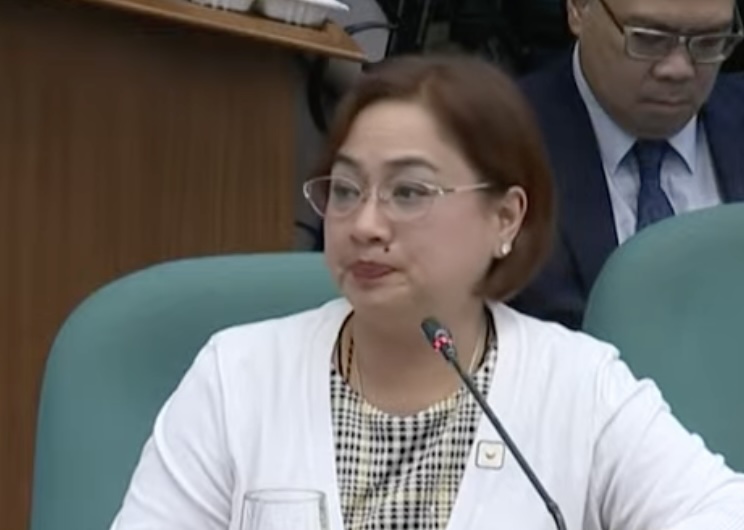
Cezarah “Sarah” Discaya was a private contractor whose companies secured multiple government infrastructure contracts, especially in flood control projects. Over time, her name became familiar to bureaucrats and local officials involved in public works procurement. To many in the industry, she was a businessperson with influence and access; to critics and watchdogs, she became a figure associated with questionable contracts that lacked transparency.
Her growing prominence in public works contracting set the stage for intense scrutiny once auditors began examining specific projects linked to her firms.
12. The Flood Control Project in Controversy
The focal point of the scandal was a flood control project in Davao Occidental, a province vulnerable to typhoons, flash floods, and river overflows. Government funds amounting to ninety‑six million five hundred thousand pesos were allocated for this particular infrastructure initiative, purportedly to build flood mitigation structures designed to protect communities from recurring natural threats.
However, when auditors and civil society groups attempted to verify the project on the ground, they encountered a troubling reality: there was little evidence that any physical infrastructure had ever been constructed.
The Discovery of Anomalies
Initial findings by audit agencies and transparency advocates revealed glaring discrepancies:
Government records showed certifications of project completion.
Local inspections found no actual flood control structures in the designated area.
Documents indicated progress payments were released as if work had been done.
Multiple signatures appeared on paperwork without corresponding verification from independent observers.
These findings triggered a cascade of questions: how could a project be certified as completed when there was no physical evidence? Who signed off on disbursements? And why were standard procurement safeguards seemingly bypassed?
Once these irregularities were shared on social media, they spread rapidly, especially when netizens contrasted the lack of infrastructure with the substantial funds released.
12. Public Outrage and Political Reaction
As details about the project circulated online, Filipino citizens from all walks of life expressed outrage. Social media became a battleground of opinion, with users posting reactions ranging from anger and disbelief to mockery and calls for accountability.
Political leaders soon issued responses. National leadership called on law enforcement and oversight bodies to thoroughly investigate the matter and bring any responsible parties to justice. The public pressure was unmistakable: citizens demanded answers, restitution, and a demonstration that the rule of law applied equally to all, regardless of influence or status.
The controversy tapped into longstanding frustrations about corruption in infrastructure spending — a topic deeply rooted in the country’s political discourse.
Charges Filed by the Office of the Ombudsman
After preliminary investigations, the Office of the Ombudsman — the constitutional body tasked with handling corruption and accountability cases — filed multiple charges against Sarah Discaya and several co‑accused individuals, including public officials.
The charges included:
Graft and corruption violations, under the Anti‑Graft and Corrupt Practices Act;
Malversation of public funds, for allegedly falsifying documents and misappropriating public money.
Because these offenses involve public funds and alleged betrayal of public trust, they are considered severe in the eyes of the law and carry non‑bailable liabilities — meaning the accused could remain detained while the case proceeds.
Surrender and Arrest
Rather than waiting for arrest by law enforcement, Sarah Discaya made a strategic decision: she voluntarily surrendered to the National Bureau of Investigation days before an arrest order was formally issued.
Her legal counsel stated that she was cooperating with authorities and maintained that she wanted to comply with due process.
Following her surrender, the arrest warrant was executed by the NBI, and she was formally taken into custody. She underwent the standard booking procedures, including fingerprinting and recording personal data, before being detained pending the next steps in the judicial process.
Legal Proceedings and Arraignment
The Department of Justice and the trial court moved quickly to set a schedule for her arraignment, the formal court appearance where the accused is informed of the charges and asked to enter a plea.
Discaya’s arraignment was scheduled for early 2026 before the appropriate Regional Trial Court. The proceedings were widely covered, not only for the legal implications, but also for what they symbolized: a high‑profile test of the judiciary’s ability to handle corruption cases involving influential figures.
Co‑accused individuals — including former public officials who signed off on disbursements — were also summoned to appear in court.
13. Media and Social Media Reactions
What distinguished this scandal from other corruption cases was the intensity of media coverage and social media engagement.
Traditional news outlets provided round‑the‑clock updates, while online platforms amplified public sentiment through:
Trending hashtags related to the case
Opinion videos from commentators and influencers
Memes contrasting the lack of infrastructure with the funds spent
Threads analyzing the potential legal and political fallout
At one point, an older interview with Discaya — conducted years earlier by prominent broadcast journalists — was quietly taken down from some online platforms amid renewed scrutiny and public pressure.
Netizens debated not just the legal dimensions, but the symbolism: for many, the case represented a larger struggle between everyday citizens and alleged misuse of public resources.
Corruption, Infrastructure, and Public Trust
The Discaya episode did not exist in a vacuum. It joined a long list of high‑profile cases that have shaped public perceptions of infrastructure spending in the Philippines. What set it apart was the visual absence of the project itself — a stark contrast between the funds allocated and the physical reality on the ground.
Civil society organizations used the case to demand stronger reforms, including:
Transparent bidding and procurement processes
Independent third‑party verification of project completion
Real‑time public access to project documentation
Stricter penalties for malversation and graft
Observers noted that without structural reforms, similar controversies could continue to erode public trust and delay essential development initiatives.
Conclusion
The year 2025 in the Philippines was defined by a mix of pop culture phenomena, natural disasters, political engagement, and viral moments. Social media amplified events, shaped public discourse, and connected communities nationwide.
From collectible toys and viral concerts to serious news like the Cebu earthquake and dengue outbreak, these events remind us that in today’s digital era, everything is shareable, and everything can trend—capturing the imagination of a nation and beyond.
Related Articles
-
“Cristy Fermin: Breaking the Biggest Philippine Showbiz Stories of 2025”
“SB19: How the Simula at Wakas World Tour Became Viral” –
“Cebu Earthquake 2025: Lessons in Preparedness and Response”
“The Rise of Labubu: How Collectibles Shape Filipino Pop Culture”
https://www.youtube.com/watch?v=Q_87Qv04r8g