ELLEN DOWNFALL! Nawala Lahat sa Kanya!
For nearly two decades, Ellen DeGeneres was the undisputed “Queen of Nice.” Her daytime talk show was a staple in millions of households, a safe haven of dancing, laughter, and heartwarming giveaways. Her closing line, “Be kind to one another,” wasn’t just a sign-off; it was a brand, a philosophy, and a promise to her audience. She was the friendly face who brought celebrities down to earth and gave ordinary people extraordinary surprises. However, in a twist that no one saw coming, the very foundation of her “kindness” brand crumbled, revealing a starkly different reality behind the scenes. The downfall of Ellen DeGeneres is not just a story of a celebrity scandal; it is a complex saga of power, accountability, and the shattering of a carefully constructed public image.
The unraveling began not with a massive exposé, but with a simple ripple in the digital world. In 2020, a Twitter thread invited people to share stories about Ellen being “mean.” What was intended perhaps as a niche internet discussion exploded into a viral phenomenon. Instead of a few isolated grumbles, the thread was flooded with consistent anecdotes from former employees, guests, and industry insiders. The stories were shockingly trivial yet deeply revealing: a waitress supposedly reported for chipped nail polish, a writer fired for looking her in the eye, and staff members terrified to breathe wrong in her presence. These anecdotes painted a picture of a woman who was lightyears away from the dancing, smiling host seen on TV.
This viral thread opened the floodgates for more serious investigative journalism. A bombshell report by BuzzFeed News formalized the whispers, detailing a toxic work environment plagued by racism, intimidation, and inappropriate behavior by top producers. Former employees described a culture of fear where they were treated as disposable. Some alleged they were fired for taking medical leave or attending family funerals. Others spoke of uncomfortable comments and misconduct from high-level executives—behavior that, while not always directly attributed to Ellen herself, happened under her watch and, critics argued, flourished due to her negligence. The “be kind” motto suddenly felt like a cruel irony to the people who made the show happen every day.
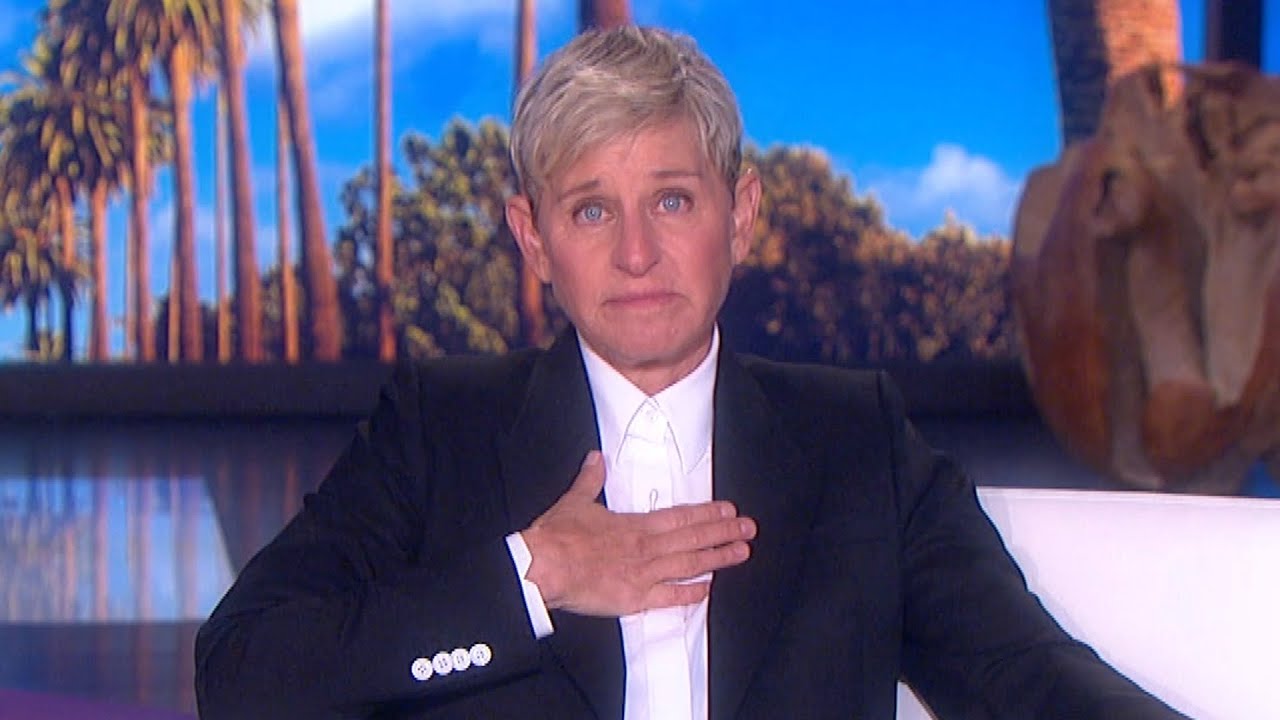
Ellen’s response to the crisis was a critical moment that, for many, sealed her fate. She issued an internal memo taking responsibility for the show’s culture, but when she returned to the air, her televised apology was met with mixed reactions. She joked about being “mean,” quipping that she was actually “a work in progress.” To her loyal fans, it was a sincere admission of humanity. To her detractors, it was a tone-deaf minimization of systemic abuse. The apology failed to stem the bleeding. Ratings plummeted. Advertisers grew wary. The celebrity guests who once clamored for a seat on her couch began to distance themselves. The show, once a juggernaut of daytime TV, was limping to the finish line. In May 2021, Ellen announced that her show would end after its 19th season, citing a need for “new challenges,” but the timing suggested that the “toxic” label had made the show unsustainable.

After the final curtain fell, Ellen retreated. She spent time gardening, raising chickens, and staying out of the public eye—a stark contrast to her previous life of daily visibility. But silence is rarely permanent for a performer of her caliber. In 2024, she attempted a comeback with a Netflix stand-up special titled “For Your Approval.” The special was positioned as her raw, unfiltered take on the scandal. She walked onto the stage acknowledging the elephant in the room, referencing the headlines and the “mean” allegations. She framed herself as a victim of a fickle industry, claiming she was “kicked out of show business” for not living up to an impossible standard of niceness.
However, the special has only served to reignite the debate rather than resolve it. Critics argue that Ellen still doesn’t “get it.” By focusing on the accusation of being “mean,” she sidesteps the far more serious allegations of workplace toxicity and misconduct that occurred under her leadership. The narrative she presents is one of a celebrity scorned by cancel culture, rather than a powerful boss who failed to protect her employees. Jokes about being “cancelled” for failing to be perfect often land flat when juxtaposed with the real trauma experienced by her former staff. It suggests a lack of genuine introspection and a desire to reclaim her status without fully grappling with the reasons she lost it.
Moreover, parts of her new material have been criticized for being out of touch. Jokes about the difficulties of being wealthy or the mundane inconveniences of a life of privilege struggle to land with an audience that is increasingly aware of social and economic disparities. The relatability that was once her superpower seems to have evaporated. The audience rating for her special is split down the middle—a reflection of a polarized internet where people either still adore her or have completely written her off. There seems to be no middle ground anymore.
The tragedy of Ellen DeGeneres’s career trajectory is the loss of the “Be Kind” legacy. For years, she was a beacon of positivity, a trailblazer for LGBTQ+ representation, and a source of comfort for millions. That legacy is now indelibly stained. When people hear her name today, they don’t just think of Dory or the dancing; they think of the “don’t look her in the eye” rule. They think of the disconnect between the person and the persona.
The question remains: Can she ever truly recover? The entertainment industry loves a redemption arc, but redemption requires true accountability. As long as the narrative remains focused on her personal grievances rather than the systemic failures of her show, the public may find it hard to welcome her back with open arms. Her downfall serves as a stark reminder to all public figures: authenticity matters. In the age of social media, the truth has a way of coming out, and no amount of dancing can cover up a toxic reality. Ellen DeGeneres changed television forever, but television—and the standards for those who appear on it—has also changed, leaving the former queen struggling to find her place in a kingdom that has moved on.