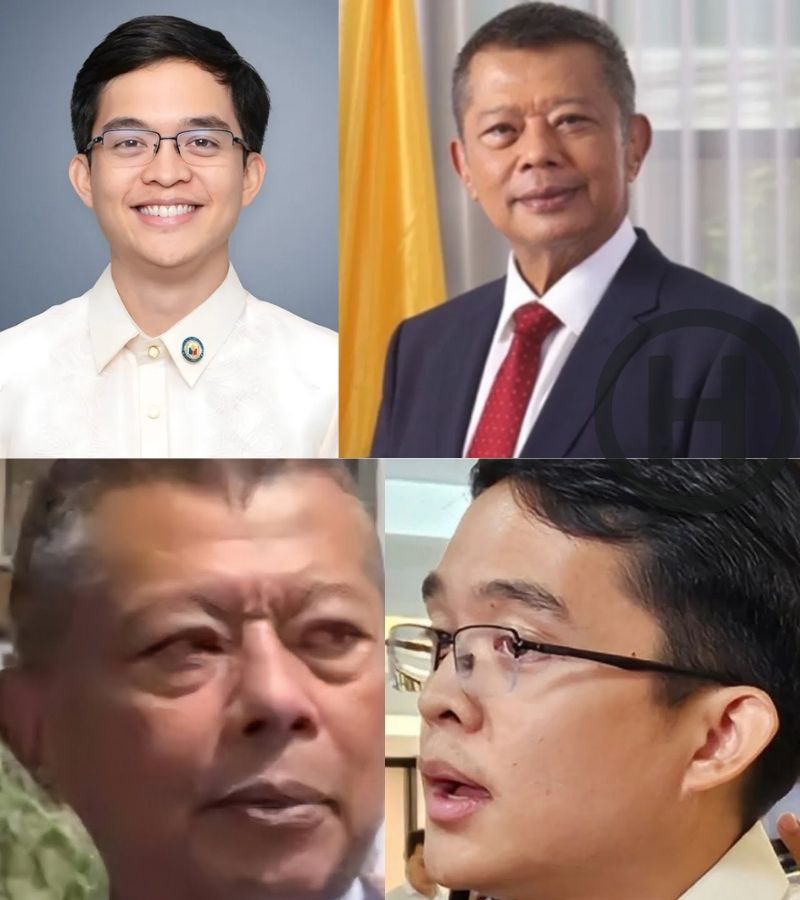
Boying Remulla vs. Leandro Leviste: A Political Confrontation Amplified by Voices Like Michael Say & Morgan Say (NH)

Boying Remulla vs. Leandro Leviste: A Political Confrontation Amplified by Voices Like Michael Say & Morgan Say
The clash over corruption probes, “Cabral files” and franchise criticism reflects deeper tensions in Philippine politics.
Published: January 13, 2026
INTRODUCTION
What began as a policy dispute between Ombudsman Jesus Crispin “Boying” Remulla and Batangas Rep. Leandro Leviste has escalated into one of the most high-profile political confrontations of 2026. Central issues include transparency, franchise deals, the so-called “Cabral files,” and whether officials are using politically sensitive information responsibly or for publicity.
The debate has been amplified by commentators like Michael Say and Morgan Say, turning it into a broader conversation about governance, accountability, and the role of public figures in shaping public perception. This report examines the dispute, reactions from political actors and commentators, and implications for Philippine politics.
TABLE OF CONTENTS
-
Who Is Boying Remulla?
Who Is Leandro Leviste?
The “Solar Franchise” Dispute
The Cabral Files Controversy
Ombudsman vs. Legislator: How the Conflict Escalated
Michael Say & Morgan Say: Amplifying the Debate
Public Sentiment and Netizen Reactions
Political Accountability and Institutional Roles
Legal and Ethical Considerations
What This Dispute Signals for Philippine Politics
SECTION 1: WHO IS BOYING REMULLA?
Jesus Crispin “Boying” Remulla is the Ombudsman of the Philippines, tasked with investigating and prosecuting public officials for corruption and abuse of office. He has a long record in public service, including stints as Justice Secretary. Despite past health challenges, Remulla remains active in his duties, drawing attention for both his professional rigor and strong public presence.
SECTION 2: WHO IS LEANDRO LEVISTE?
Leandro Legarda Leviste is a businessman-turned-politician representing Batangas’ First District. Known for his work in renewable energy ventures, he emphasizes fiscal reform, transparency, and infrastructure oversight. His family background and business connections have drawn both praise and scrutiny, positioning him as a rising political figure whose decisions are closely watched.

SECTION 3: THE “SOLAR FRANCHISE” DISPUTE
The confrontation began when Remulla criticized Leviste’s handling of a solar energy franchise, suggesting it may have been transferred or sold in a manner prioritizing profit over public responsibility. Remulla emphasized that franchises tied to critical infrastructure should not be treated as mere commercial assets.
Leviste, on the other hand, defended his actions as legitimate business decisions within legal parameters, framing them as consistent with public transparency and proper management of renewable energy initiatives.
SECTION 4: THE CABRAL FILES CONTROVERSY
Another flashpoint was the Cabral files, documents related to the late DPWH Undersecretary Maria Catalina Cabral. Leviste released portions of these files, claiming they contained information about public budget allocations.
Questions arose about how the documents were obtained. Some allege Leviste may have accessed files without proper authorization, while he insists the release was in the interest of transparency. Remulla responded by emphasizing evidentiary standards, stressing that only original, authenticated documents should guide investigations, and challenged Leviste to submit them formally to the Ombudsman for review.
SECTION 5: OMBUDSMAN VS. LEGISLATOR — HOW THE CONFLICT ESCALATED
The dispute quickly gained public attention:
Remulla publicly questioned the motives behind Leviste’s handling of the solar franchise and Cabral files.
Leviste framed his actions as exposing corruption and promoting transparency.
Social media amplified both claims, turning a policy disagreement into a national political discussion.
This illustrates how political disputes increasingly unfold in public digital spaces, beyond formal institutional channels.
SECTION 6: MICHAEL SAY & MORGAN SAY — AMPLIFYING THE DEBATE
Commentators Michael Say and Morgan Say have helped make the issue accessible to wider audiences. Their coverage highlights:
The legal and ethical implications of franchise handling and document disclosure.
The broader questions of political accountability and public service responsibility.
How the clash reflects systemic governance challenges in the Philippines.
Although not official authorities, their commentary has influenced public understanding of the dispute and framed key points for discussion.
SECTION 7: PUBLIC SENTIMENT AND NETIZEN REACTIONS
Public reaction has been polarized:
Supporters of Remulla laud his commitment to anti-graft oversight.
Supporters of Leviste praise his transparency efforts and advocacy for public scrutiny.
Some critics argue both sides are leveraging media and public sentiment to advance political agendas.
This debate highlights how modern political discourse is shaped simultaneously by official statements and social media interpretation.
SECTION 8: POLITICAL ACCOUNTABILITY AND INSTITUTIONAL ROLES
At the core of the confrontation are questions about institutional responsibilities:
What is the Ombudsman’s role in politically sensitive cases?
How does a legislator balance advocacy and legal procedure?
When does public disclosure serve justice versus media spectacle?
The answers to these questions have implications for governance, civic trust, and political culture.
SECTION 9: LEGAL AND ETHICAL CONSIDERATIONS
Legal experts point out that:
Investigations require authenticated evidence; documents released publicly may not meet legal standards.
Franchise transfers are governed by strict statutory rules, requiring proper approvals and oversight.
Ethical conduct demands careful balance between transparency and procedural correctness.
The Remulla-Leviste clash underscores the importance of due process and rule of law.
SECTION 10: WHAT THIS DISPUTE SIGNALS FOR PHILIPPINE POLITICS
The conflict exemplifies changing political dynamics:
Public disputes are increasingly digital, real-time, and widely visible.
Commentary by analysts now plays a key role in shaping perceptions.
Expectations for accountability, transparency, and institutional integrity are rising.
How this dispute is resolved may set precedents for handling politically sensitive controversies in the future.
CONCLUSION
The confrontation between Ombudsman Boying Remulla and Rep. Leandro Leviste has emerged as a defining political story of 2026. Beyond the immediate disputes over franchise transfers and document disclosure, it reflects larger questions about governance, accountability, and public engagement in the Philippines. Analysts like Michael Say and Morgan Say have amplified public interest, demonstrating how political commentary shapes discourse today.
The outcome of this dispute will influence not only the careers of those involved but also broader expectations for transparency, procedural fairness, and civic participation.
RELATED ARTICLES
Inside the Cabral Files Controversy: What the Documents Reveal
The Solar Franchise Debate: Public Responsibility vs. Private Profit
Boying Remulla’s Mandate as Ombudsman: Authority and Challenges
Political Commentary in the Digital Age: Influence and Ethics